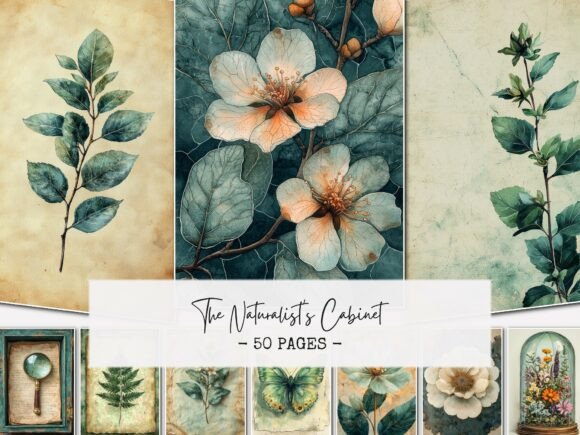
The Naturalist’s Cabinet Junk Journal Page Kit: A Guide to Botanical Paper Crafting
In an era dominated by digital screens and fleeting virtual interactions, there is a profound and growing movement toward tactile creativity. Creators, educators, and hobbyists are increasingly turning to analog methods to ground themselves, document their observations, and express their artistic vision. At the heart of this resurgence is the art of junk journaling, a liberating form of scrapbooking that embraces imperfection, layering, and found objects. For those drawn to the organic world, The Naturalist’s Cabinet Junk Journal Pa offers a curated digital resource that bridges the gap between vintage scientific illustration and modern creative practice. This collection is not merely a set of printable pages; it is a gateway to constructing personal archives that celebrate the intricate beauty of flora and fauna.
Understanding the Aesthetic of Vintage Botanical Archiving
To fully appreciate the utility of a kit like The Naturalist’s Cabinet, one must first understand the aesthetic lineage it draws from. The design philosophy is rooted in the tradition of the antique herbarium. Historically, naturalists, botanists, and enthusiastic gardeners meticulously pressed flowers, mounted specimens, and recorded detailed observations in leather-bound volumes. These books were both scientific records and works of art, characterized by soft earthy tones, precise line work, and a reverence for the subject matter.
The The Naturalist’s Cabinet Junk Journal Pa captures this spirit through high-resolution digital assets that mimic the texture and patina of aged paper. The inclusion of botanical studies, magnifying glasses, and vintage specimen illustrations allows creators to replicate the look of a 19th-century field guide. This aesthetic is particularly resonant within the cottagecore community, a cultural movement that idealizes rural life, sustainability, and a return to traditional crafts. By utilizing elements such as pressed flowers and butterflies, users can create layouts that feel timeless and authentic, rather than manufactured or overly polished.
Technical Specifications and Digital Utility
For professionals and serious crafters, the technical quality of digital downloads is paramount. A common frustration with printable resources is low resolution, which results in pixelated prints and muddy colors. This specific kit addresses those concerns by providing 50 printable JPG pages at 300 DPI (dots per inch). This resolution is the industry standard for high-quality printing, ensuring that fine details in the vintage illustrations—such as the veins of a leaf or the delicate wings of a butterfly—remain crisp and clear when transferred to physical paper.
The format is designed for immediate accessibility. As an instant digital download, it eliminates shipping wait times and environmental waste associated with physical products. Users receive the files immediately upon purchase, allowing for spontaneous creative sessions. The versatility of the JPG format means these pages can be printed on a variety of media, from standard cardstock to textured watercolor paper, depending on the desired outcome of the project. This flexibility makes the kit suitable for a wide range of applications, from quick daily journal entries to elaborate collage projects intended for display.
Practical Applications for Diverse Creators
The utility of this paper pack extends far beyond simple journaling. Its thematic coherence and visual richness make it a valuable asset for various creative and professional endeavors. Below are several ways different users can integrate these assets into their workflows.
Botanical Junk Journals and Nature Scrapbooking
The primary application is, unsurprisingly, the creation of botanical junk journals. Unlike traditional scrapbooking, which often relies on rigid layouts and expensive embellishments, junk journaling encourages the use of ephemera and mixed media. The pages from The Naturalist’s Cabinet serve as both background layers and focal points. A gardener might use the floral patterns to document the blooming cycle of their roses, attaching actual dried petals over the printed illustrations. A nature enthusiast could use the magnifying glass motifs to frame sketches of insects observed during a hike. The soft earthy tones provide a neutral yet warm backdrop that allows handwritten notes and added textures to stand out without clashing.
Cottagecore Crafts and Home Decor
Beyond journals, these printable pages are excellent for broader cottagecore crafts. Crafters can use the designs to create custom gift tags, bookplates, or framed art pieces. The vintage specimen illustrations lend themselves well to decoupage projects, where images are applied to furniture, boxes, or trays to create a shabby-chic, vintage-inspired look. For educators, these images can be printed and used as teaching aids in biology or history classes, helping students visualize the historical context of scientific discovery and classification.
Vintage-Inspired Planners and Organization
Productivity enthusiasts who prefer analog planning systems can utilize these pages to customize their planners. The botanical studies and cottagecore textures can transform a standard weekly spread into a visually soothing experience. Users can print specific pages to use as dividers, monthly covers, or decorative inserts. This approach not only enhances the aesthetic appeal of the planner but also creates a mindful pause in the day, encouraging the user to engage with their schedule in a more deliberate and appreciative manner.
The Therapeutic Value of Analog Creation
Engaging with materials like The Naturalist’s Cabinet Junk Journal Pa offers significant mental health benefits. The process of selecting papers, arranging compositions, and adhering elements requires focus and presence, acting as a form of mindfulness meditation. For professionals dealing with high levels of screen fatigue, the tactile experience of handling paper and working with physical adhesives provides a necessary sensory counterbalance.
Furthermore, the act of documenting nature through collage and journaling fosters a deeper connection to the environment. When a creator takes the time to arrange a layout featuring pressed flowers and vintage illustrations, they are engaging in an act of observation and appreciation. This practice encourages individuals to slow down, notice the details of the natural world around them, and preserve those moments in a tangible format. It transforms passive observation into active participation, creating a lasting record of one’s interaction with nature.
Implementation Strategies for Best Results
To maximize the potential of this digital kit, users should consider their printing and assembly techniques carefully. While the files are ready to print, the choice of paper stock significantly impacts the final result. For a genuine vintage feel, consider printing on cream or ivory-colored paper rather than stark white. Textured papers, such as linen or laid finish, can enhance the illusion of age and authenticity.
Layering is key to successful junk journaling. Do not hesitate to tear the edges of the printed pages to create soft, organic borders that blend seamlessly with other elements. Combine the printed botanical studies with hand-written notes, coffee-stained paper scraps, and actual natural materials like leaves or twigs. The magnifying glass illustrations can be cut out and used as frames for photographs or small drawings, adding depth and interactivity to the page. Experiment with different adhesives; glue sticks offer a flat finish, while double-sided tape allows for repositioning, and liquid glue can be used to adhere heavier embellishments.
Conclusion: A Timeless Resource for Modern Makers
The convergence of digital convenience and vintage aesthetics presents a unique opportunity for modern creators. The Naturalist’s Cabinet Junk Journal Pa stands out as a comprehensive resource for anyone looking to explore the rich tradition of botanical illustration and paper crafting. Whether you are a seasoned artist, a novice journaler, a teacher, or simply someone seeking a creative outlet, this collection provides the tools necessary to build something beautiful and meaningful. By embracing the soft earthy tones, intricate florals, and historical charm of this kit, users can create works that are not only visually stunning but also deeply personal and connected to the natural world. In a fast-paced digital age, taking the time to craft with intention and beauty is a radical and rewarding act.